
Trouble Sleeping Solutions in Mount Pleasant
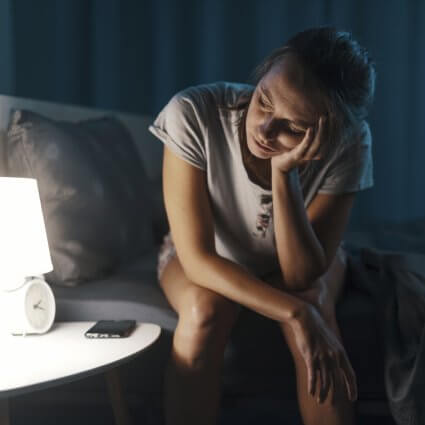 Another night staring at the ceiling, or standing in the hallway at 2 a.m. trying to settle a wide awake toddler. When sleep won’t come easily, for you or for your child, it wears on everything else in the day.
Poor Sleep and Your Nervous System
Good sleep hygiene, a consistent bedtime, blackout curtains, no screens after dinner, matters, but it’s often only part of the story. Chronic trouble falling or staying asleep usually points to a nervous system stuck on the gas pedal, in fight or flight. When your body’s on alert, it doesn’t matter how quiet the room is or how perfect the routine looks; sleep gets hard.
Why Your Body Won’t Power Down
A nervous system can end up stuck in this wired state for many reasons. Patterns we see often include:
- Chronic stress from work, school, or a packed family schedule
- Sensory overload in kids with autism, ADHD, or sensory processing challenges
- Tension in the upper neck left over from an old injury or a hard birth
- Reliance on melatonin or other sleep aids that mask the problem instead of solving it
What Sleepless Nights Actually Look Like
For kids, it might mean a bedtime battle every night, repeated waking, or needing a parent in the room to fall back asleep. For adults, it often looks like a racing mind at lights out, or eight hours that somehow feel like four. Poor sleep doesn’t stay contained to nighttime, either; it shows up as headaches, a shorter fuse, or trouble focusing at work.
When Sleep Hygiene Alone Isn’t Cutting It
If you’ve tried the standard fixes for weeks or months and nothing has really stuck, that’s worth paying attention to. The same goes for kids who are still waking multiple times a night well past the age you’d expect that to resolve on its own. Good sleep hygiene can help, but on its own, it doesn’t get to the root cause: a nervous system stuck in the fight-or-flight phase.
Calming the Noise That’s Keeping You Up
We start with a conversation about how sleep has actually been going, the pattern over time, not just the last few nights. Our non-invasive scans show us whether your nervous system is stuck on the gas pedal and where tension and inflammation are sitting. Care focuses on calming that overstimulated state so your body can actually downshift at bedtime; many people notice they fall asleep faster on nights right after an adjustment, with that quality holding a little longer between visits as care continues.
What Better Sleep Tends to Feel Like First
Quality usually shifts before quantity does. In the first 30 to 60 days, most people notice they fall asleep easier and wake up feeling more rested, even before the number of hours changes much. By around the 60-day mark, many patients and parents report real, lasting improvement, not just a good week here and there.
Trade Another Sleepless Night for an Answer
You don’t have to keep functioning on four or five hours of sleep, or keep pacing the hallway with a child who won’t settle. Getting to the root of what’s keeping the nervous system on alert can change bedtime for the whole family. Call Lighthouse Family Chiropractic at (854) 354-8989 to get started.
